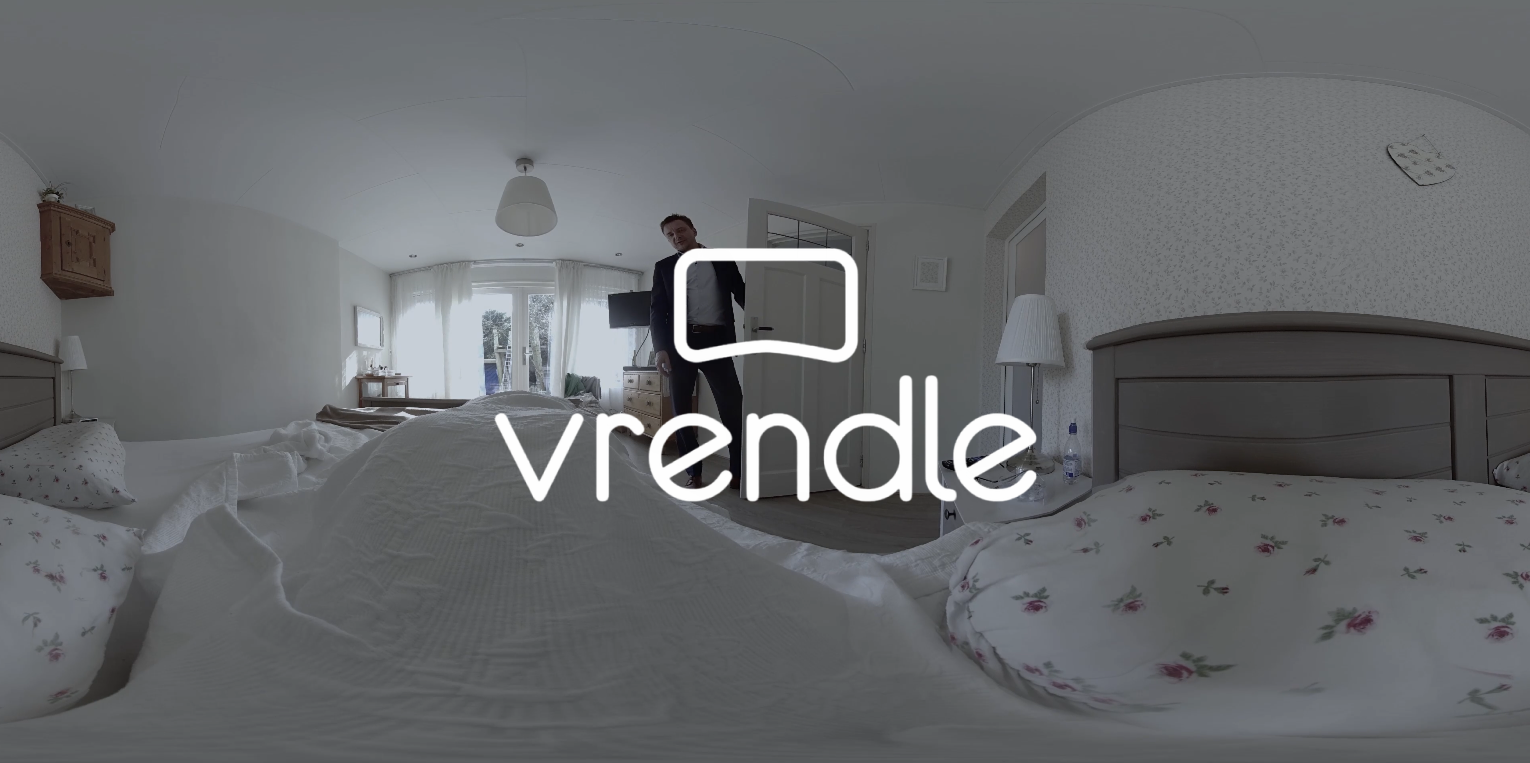
Founded in 2012, Vrendle is one of the earliest VR pioneers in the Netherlands. The company initially focused on VR therapy, exploring how immersive environments could help people safely confront real-world fears. In 2014, the team produced the world’s first 360-degree video addressing agoraphobia, laying the foundation for VR-based therapy and empathy training. Following this successful scenario, Vrendle shifted its focus toward empathy-based VR experiences using a unique and highly immersive approach. Today, the company creates immersive scenarios that allow trainees from many walks of life to develop true empathy, learn behavioral skills and even relax through VR technology.
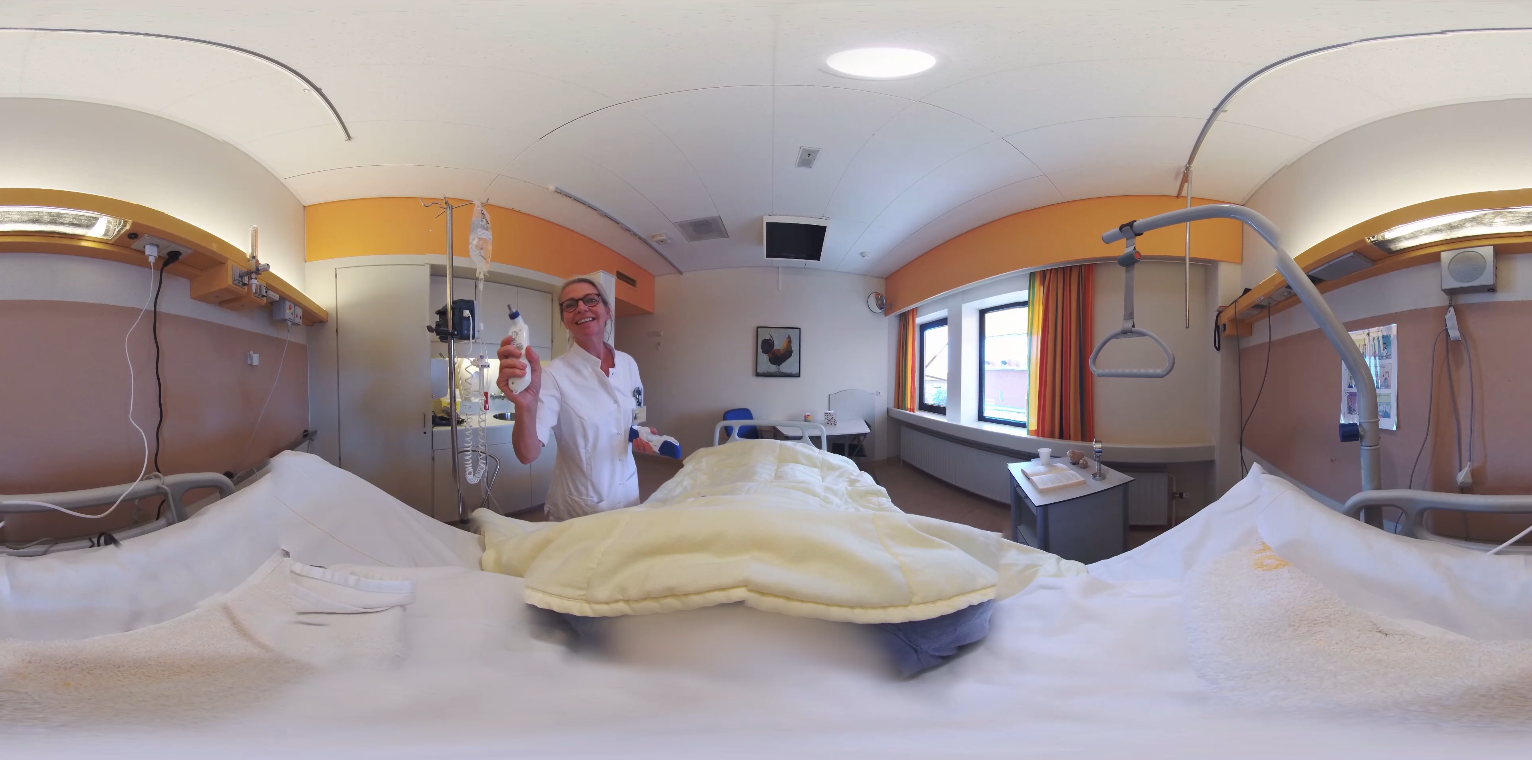
Vrendle had a growing library of VR training experiences, but developing and managing their own apps for multiple devices was time-consuming and technically complex. After all, their goal wasn't to develop VR training software, it was to bring quality training to their growing clientele.
“We wanted to focus on creating and selling content, not building apps,” Rogier Mink explains. “Warp VR was forward-thinking. For us, it made adoption easier for our clients and allowed us to reach more people.”
The team needed a centralized, flexible platform to host their VR content, making it easy for schools and healthcare organizations to access their library. This would allow Vrendle to focus on building high-quality empathy training experiences.
Vrendle’s approach to VR centers around empathy training and highly immersive experiences.
There are many medical studies that link higher empathy to better training results. (PubMed) This study, which summarized the results of 128 academic papers, found that about 80% of trainees and clinicians who underwent empathy training showed significantly improved training results. That is, the empathy training led to better healthcare professionals.
“We believe that if you experience a VR empathy training, you shouldn’t have any distraction. Every time you need to make a choice to go to another video, it’s a distraction. Experiencing and then debriefing with your team is the most effective part.”
Rather than building highly interactive, choice-driven VR scenarios, Vrendle has a different approach that heightens the levels of immersion and empathetic connection.
Their VR experiences are designed to be immersive and distraction-free, allowing learners to fully experience a situation from another person’s perspective. Interaction is minimal to let participants focus on the experience itself. The idea being, that to fully empathize, you can't be forced. It's more about feeling the weight of certain medical conditions rather than being guided through them.
VR is always followed by a structured group discussion. Rogier explains:
This discussion encourages students and professionals to reflect on what they felt, compare perspectives, and identify how they should adjust their behavior in real-world situations.
Before partnering with Warp VR, Vrendle developed and maintained its own VR applications. Supporting new headsets required rebuilding software, which limited flexibility and took time away from content creation.
Warp VR enabled Vrendle to focus entirely on creating high-quality content.
By using Warp VR, Vrendle benefits from:
For institutions, this means fewer apps to manage and a smoother experience for both students and educators.
Using Warp VR, Vrendle delivers a growing library of empathy-focused VR experiences across education and healthcare. The content is integrated into HBO curricula and also used by healthcare organizations to train staff. Institutions access the full library through a subscription model, making it easy to scale VR training across classes and teams.
Vrendle’s approach is always part of a broader training program, supporting reflection and discussion rather than replacing traditional instruction. Once trainees experience the VR scenarios, they are always assigned a discussion group where they can reflect on the scenario with others, further deepening their understanding.
“It’s not just about VR,” Rogier explains. “It’s about the experience and then discussing it with colleagues or fellow students. That’s how you learn to treat people better.”
While Vrendle does not rely on traditional performance metrics, adoption and continued use demonstrate clear impact.
Educators report that VR sessions spark deeper conversations and help students feel better prepared for real-world healthcare situations.
“If you now see one of our videos and I see one of the videos, we notice different things. That discussion is a really nice firestarter,” says Rogier. “It helps students think about how to give the best care.”

Vrendle is growing and developing new scenarios all the time. New VR scenarios are developed based on ongoing conversations with Vrendle’s largest education and healthcare partners to ensure content remains relevant.
Looking ahead, Vrendle plans to continue expanding its empathy-focused library and reaching more learners preparing for healthcare and social work careers.
“We will create new scenarios together with our biggest clients,” Rogier says. “It’s always about what’s useful and relevant for their training.”
With Warp VR as its platform, Vrendle can scale its impact while staying focused on its core mission: helping people understand others by experiencing the world from their perspective.