At a glance: Virtual Impact is a Dutch company that develops custom immersive learning experiences for healthcare, education and the social domain, using Warp VR. Rather than starting with the technology, every project begins with a challenge. One of its latest projects, a VR wheel alignment training for vocational education, increased the exam pass rate from around 20–30% to nearly 100%.
Virtual Impact develops custom virtual reality experiences for healthcare, education and the social domain. The company believes VR is most valuable when it is connected to a clear purpose: helping people learn, practise skills, or experience situations that would otherwise be difficult or impossible.
The company was founded by Natascha Zwalua and Fabian Koning, who bring complementary backgrounds in healthcare, behavioural science and education. Together, they combine practical experience from the field with VR expertise to create experiences that support people in meaningful ways.
Virtual Impact started as Virtual Care, with a strong focus on healthcare. As more organisations from education and other sectors approached the team, the company evolved into Virtual Impact — reflecting its broader mission to create meaningful impact through virtual reality.
"We focus on healthcare, education and the broader social domain, and we want to make impact," Virtual Impact says. "That's why we're called Virtual Impact."
The idea behind Virtual Impact started with an observation. With a background in behavioural science, Natascha saw that many elderly people gradually lose access to places and experiences that are meaningful to them. A childhood home, a familiar village or a favourite location can become difficult or even impossible to visit.
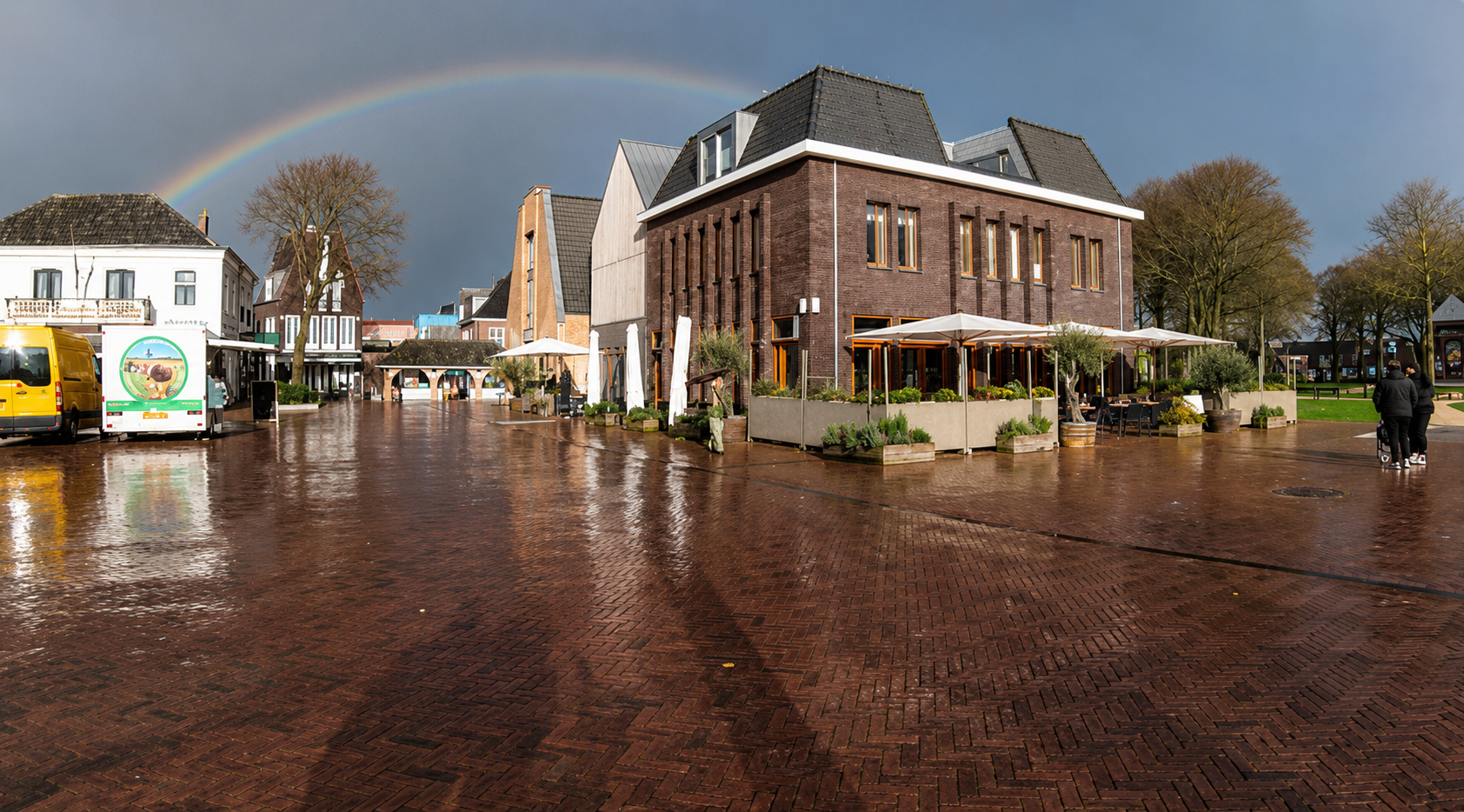
At the same time, healthcare professionals often work under increasing pressure, with limited time and resources. Organising trips outside the care environment is valuable, but in daily practice it is not always possible. This raised an important question: what if those meaningful places could come to people instead? Virtual reality offered a way to recreate those experiences and bring moments of connection, recognition and joy back into people's lives.
That’s how the project “A Day Trip to Texel” was born. This project brought Texel, an island off the coast of the Netherlands, back to those who used to live there.
"I saw that many elderly people in residential care had fewer opportunities to go out and visit places that were meaningful to them," Natascha recalls. "I thought it was such a shame that we weren't using VR more to give those people a day out again."
The team spent a day filming on the island and built a 360 video, which they later made interactive in Warp VR. When they tested it with elderly people and people with disabilities, the response convinced them to start the company. Some of the viewers even became emotional: ”I was looking for my family during the VR experience."
What sets Virtual Impact apart is where every project begins. Instead of starting with the technology, the team starts with a simple question: what is the goal?
Every project begins with understanding the need behind it. Virtual Impact works closely with customers and the people who will use the experience to define what the VR scenario should achieve.
"Every project starts with a conversation. A customer comes to us with a need, and together we explore how virtual reality can help," says Virtual Impact.
The team speaks with users and professionals around them, such as teachers, therapists and caregivers, to understand the context before filming or development begins. This helps ensure that each experience is not only immersive, but also relevant and used in practice.
For educational experiences, this also means looking beyond the content itself. A successful learning experience is not only about what information is provided, but also about when people are encouraged to discover, practise and reflect.
Fabian brings educational expertise into this process, helping to find the right balance between guidance and exploration. The goal is to create experiences that are not only engaging, but that also support meaningful learning.
Virtual Impact builds its experiences in Warp VR because it allows the team to turn ideas into interactive scenarios quickly and collaboratively.
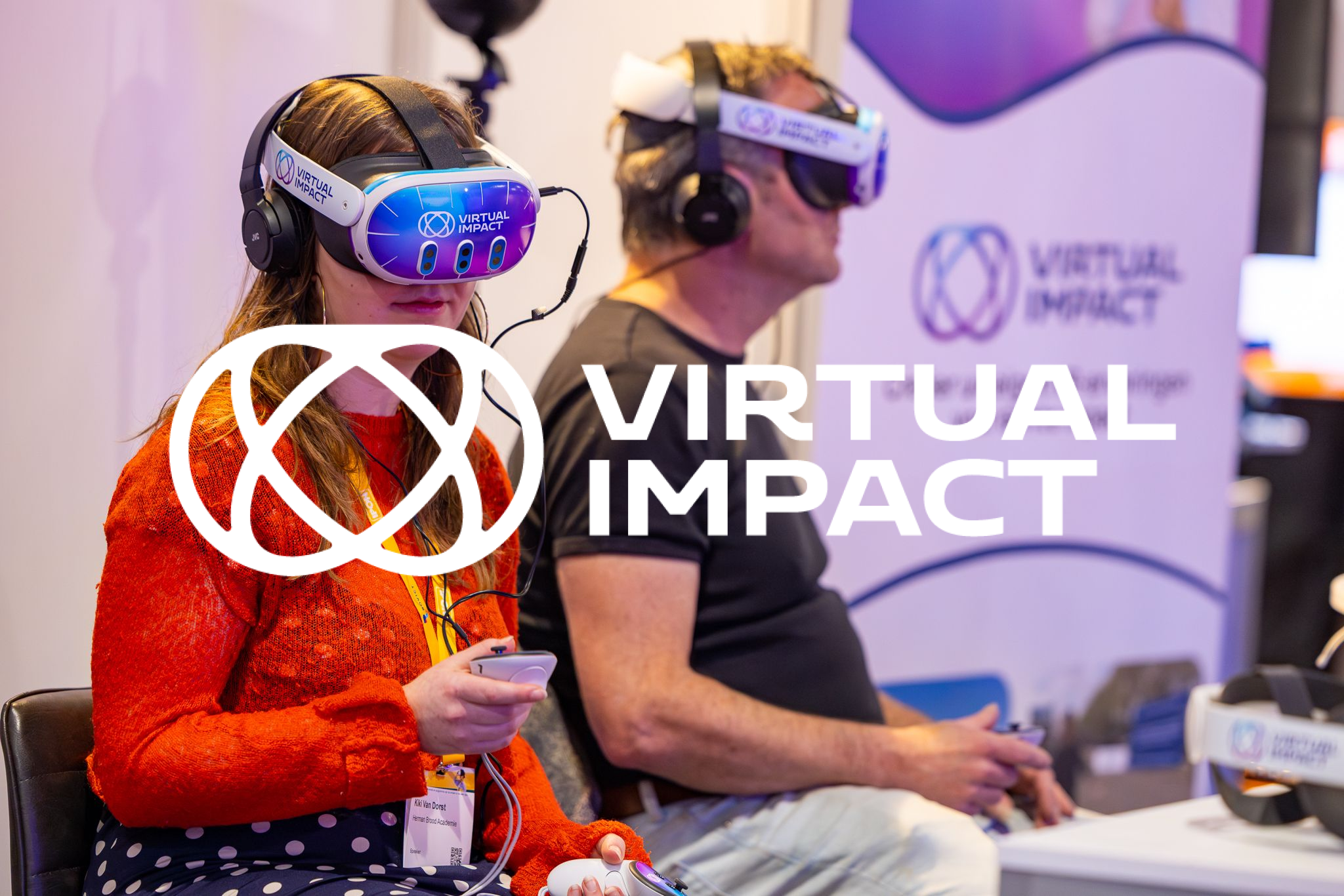
For Virtual Impact, the difference between a passive 360-degree video and an interactive VR experience is crucial. In many of the situations the team works on, users need to make choices, practise responses and experience consequences.
“Warp VR provides the flexibility to create those scenarios in a realistic and engaging way.” the team says. "The platform keeps evolving, with new features and possibilities being added over time," says Virtual Impact. "That helps us continue to improve the experiences we create for our customers."
The team also uses the AI scenario builder, a useful starting point that rewards a clear concept.
“The AI scenario builder is also a helpful tool during the early stages of development, especially when a clear concept and learning goal are already defined.”
Following the goal-first approach, Virtual Impact develops VR experiences that are tailored to the situation, the users and the outcome they want to achieve.
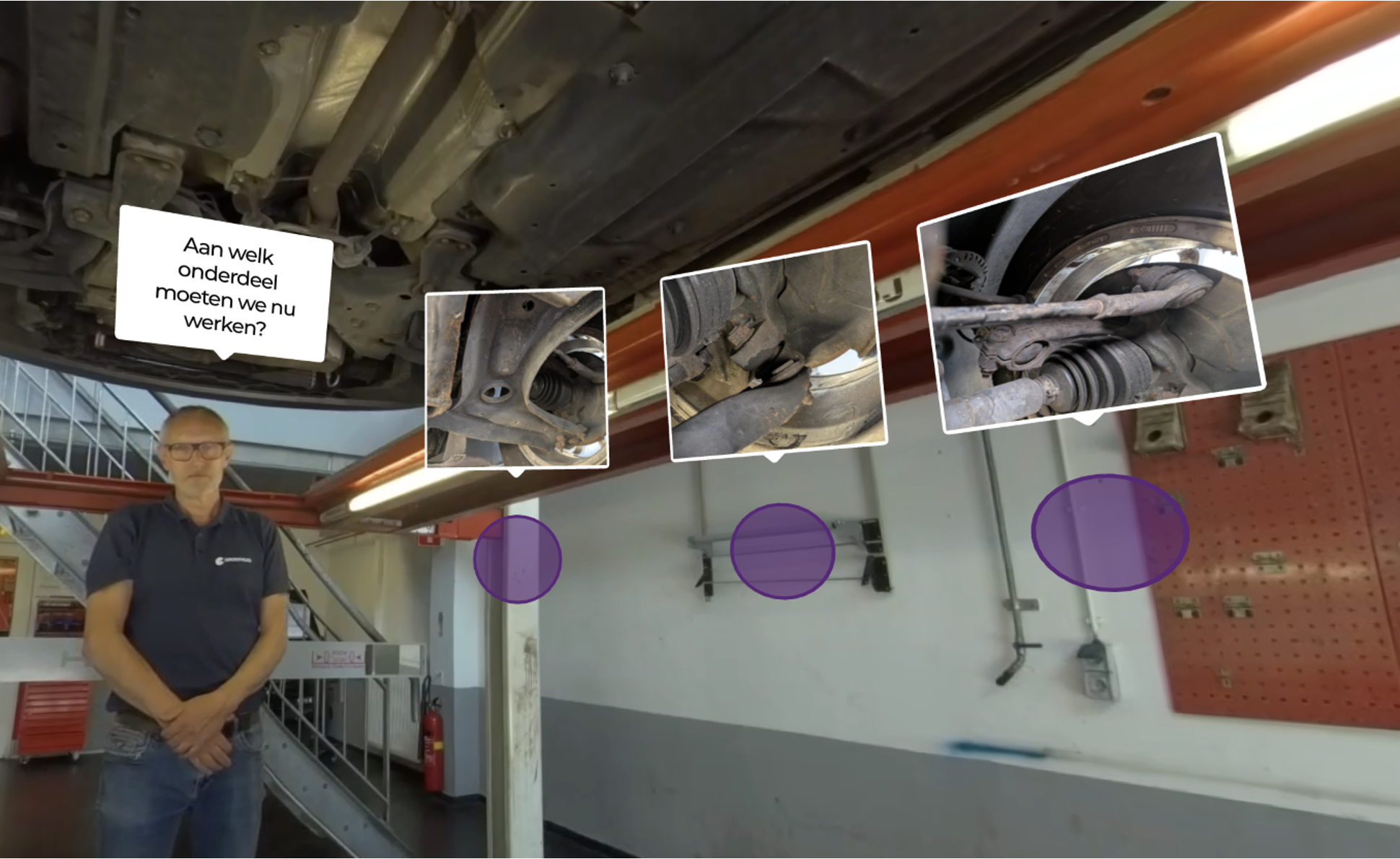
In education, this resulted in a VR training for automotive students learning wheel alignment. The practical procedure consists of many precise steps, which students previously mainly studied from books and theory. Virtual Impact transformed the complete process into an interactive VR scenario, allowing students to practise the procedure repeatedly in a realistic environment.
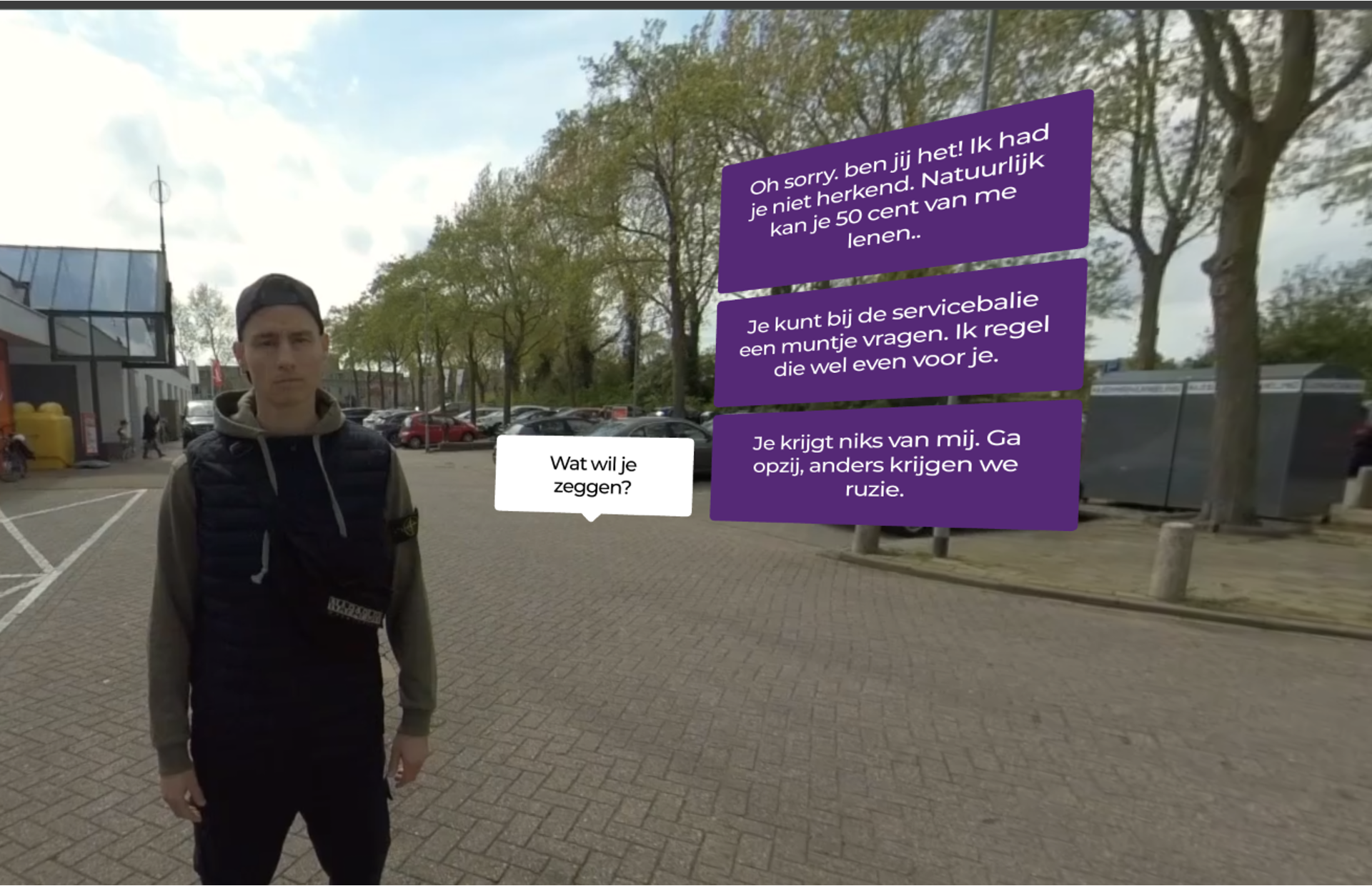
In healthcare, the team creates experiences that support both wellbeing and professional practice. One example was developed together with a therapist who wanted his clients with mild intellectual disabilities to practise setting boundaries in difficult social situations.
"The therapist wanted his clients to practise these situations in a realistic setting, where they could experience the conversation differently than in a normal session." the company says.
The impact of the immersion was visible in how clients responded. Some physically stepped back from the person they were speaking to in VR, showing how realistic and engaging the situation felt.
The strongest measurable results so far come from the wheel alignment training developed for vocational automotive education. Before the VR experience was introduced, only around 20–30% of students passed the practical exam. After implementing the VR training, almost all students passed, with only one exception in a group of around 30 students.
The experience also changed the way the subject is taught. Teachers adapted their approach and replaced part of the traditional instruction with a more practice-oriented method: students study the theory, put on the headset and practise the procedure themselves.
As a young company working in healthcare and education, Virtual Impact is still building long-term evidence across all projects. The development of a VR experience can happen quickly, but implementation within organisations takes time. Schools and healthcare organisations often need time to integrate new innovative methods into their existing workflows.
Virtual Impact continues to develop new experiences in healthcare, education and the broader social domain.
Virtual Impact is currently developing a new experience together with three healthcare organisations, bringing residents of care facilities back into the history of Alkmaar, for people who can no longer visit these places themselves. The team will start by listening to the people who will use the experience to understand how to best build the scenario. Where do they want to go, and what places hold meaning for them?
The company is also continuing to expand its work in education, with new VR training scenarios planned for vocational students.
Across every project, the approach remains the same: start with the goal, understand the people involved, and use VR only when it creates a meaningful impact.